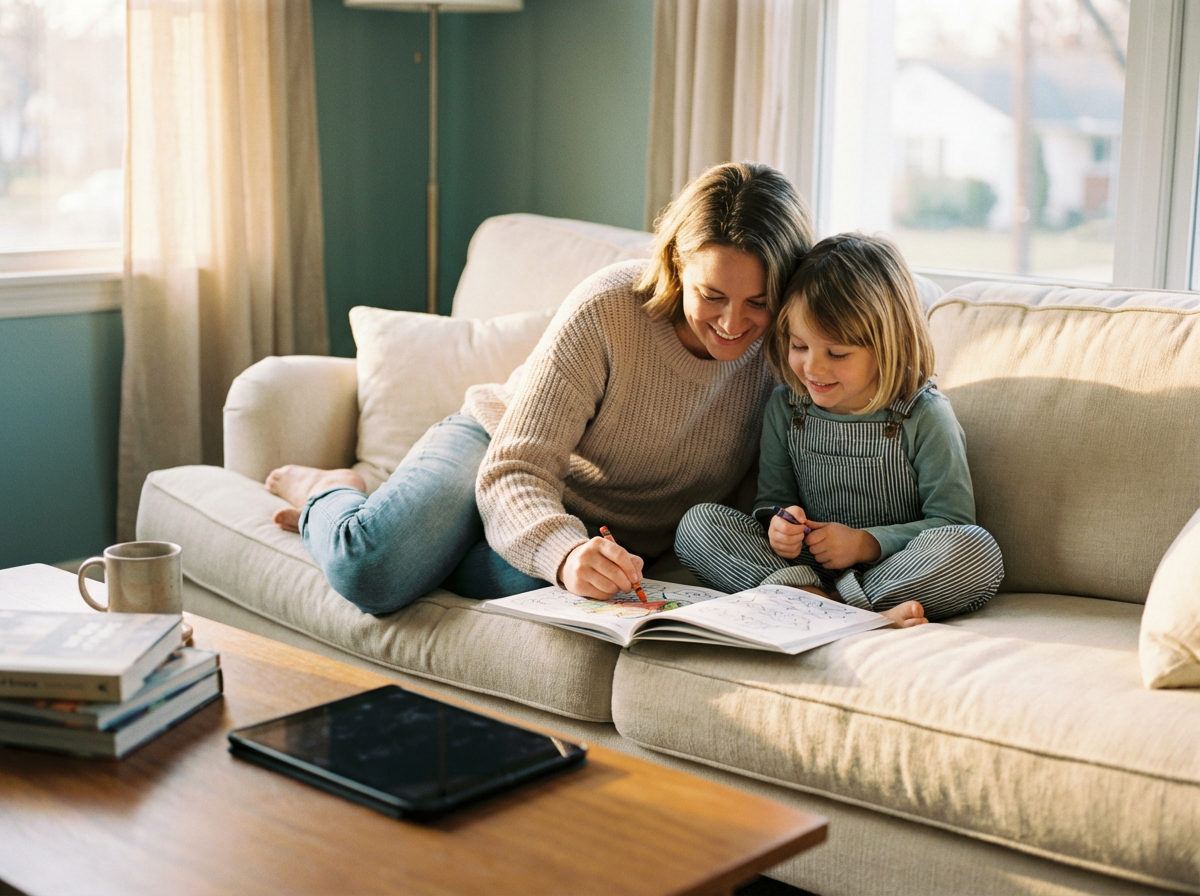
If screen time rules "don't work," it's usually not your rule. It's the moment the rule gets enforced.
You can have the best intentions in the world. "Only 30 minutes!" "No screens before school!" And still end up in the same loop:
- You set a limit
- Your child protests (loudly)
- You negotiate because you're tired
- The rule becomes optional
- Everyone feels worse
You're not failing. You're parenting in the hardest environment we've ever had: screens are designed to be hard to stop. The goal isn't perfect compliance. It's less fighting, faster transitions, and more connection.
Need words to say in the moment? Try Digital Age Parenting free
The 7 Screen Time Rules That Actually Stick
These are not "strict parent" rules. They're clear, repeatable boundaries that reduce arguments because your child knows what to expect.
Make screens a scheduled thing, not a constant option
Rule: "Screens happen at set times, not all day."
When screens are always on the table, your child's brain keeps asking for them. A predictable window reduces the constant bargaining.
Script to say: "Screens are at 4:30. You can ask again then."
No screens during the three connection anchors
Rule: "No screens during meals, bedtime routine, and the first 20 minutes after school."
These are the moments that build closeness and emotional regulation. Protecting them gives you more cooperation later.
Script to say: "We keep meals screen-free so we can be together. Tell me one thing about your day."
One clear start + one clear end
Rule: "Screens start with a plan and end with a warning."
Kids melt down most when the stop feels sudden. Try: 'You can watch one episode' (not 'a little bit'). Give a 10-minute warning + 2-minute warning.
Script to say: "Two-minute warning. When it ends, it's time to turn it off. Do you want to press the button or should I?"
The device doesn't come to the table or the bedroom
Rule: "Screens live in one spot when they're not in use."
If the device is nearby, it's harder for everyone to resist. A home base makes screens feel like an activity, not an attachment. Set a simple charging home in the kitchen or living room.
Script to say: "Phones and tablets sleep in the kitchen. That's our family rule."
Screens are earned by responsibilities, not by begging
Rule: "Screens come after responsibilities."
This is not about punishment. It's about sequencing. After school: snack, homework, then screens. Weekend: breakfast, chores, then screens.
Script to say: "First responsibilities, then screens. You can choose the order: homework first or tidy-up first."
If you can't turn it off calmly, we take a break tomorrow
Rule: "Calm turn-off = screens again. Big blow-up = reset."
This is the rule that changes everything because it teaches the skill your child actually needs: stopping. Keep it short and consistent.
Script to say: "I can see it's hard to stop. That tells me we need a break tomorrow so your brain can reset."
Replace screens with a menu, not a lecture
Rule: "When screens are off, you pick from the menu."
If your child hears 'No screens' but doesn't know what to do next, they'll fight harder. Make a short list of screen-free substitutes they can choose from.
Script to say: "Screens are done. Do you want outside mission or build something?"
The goal isn't fewer screens. It's more connection.
The 3 Biggest Mistakes That Make Screen Rules Backfire
Mistake #1: Negotiating in the hot moment
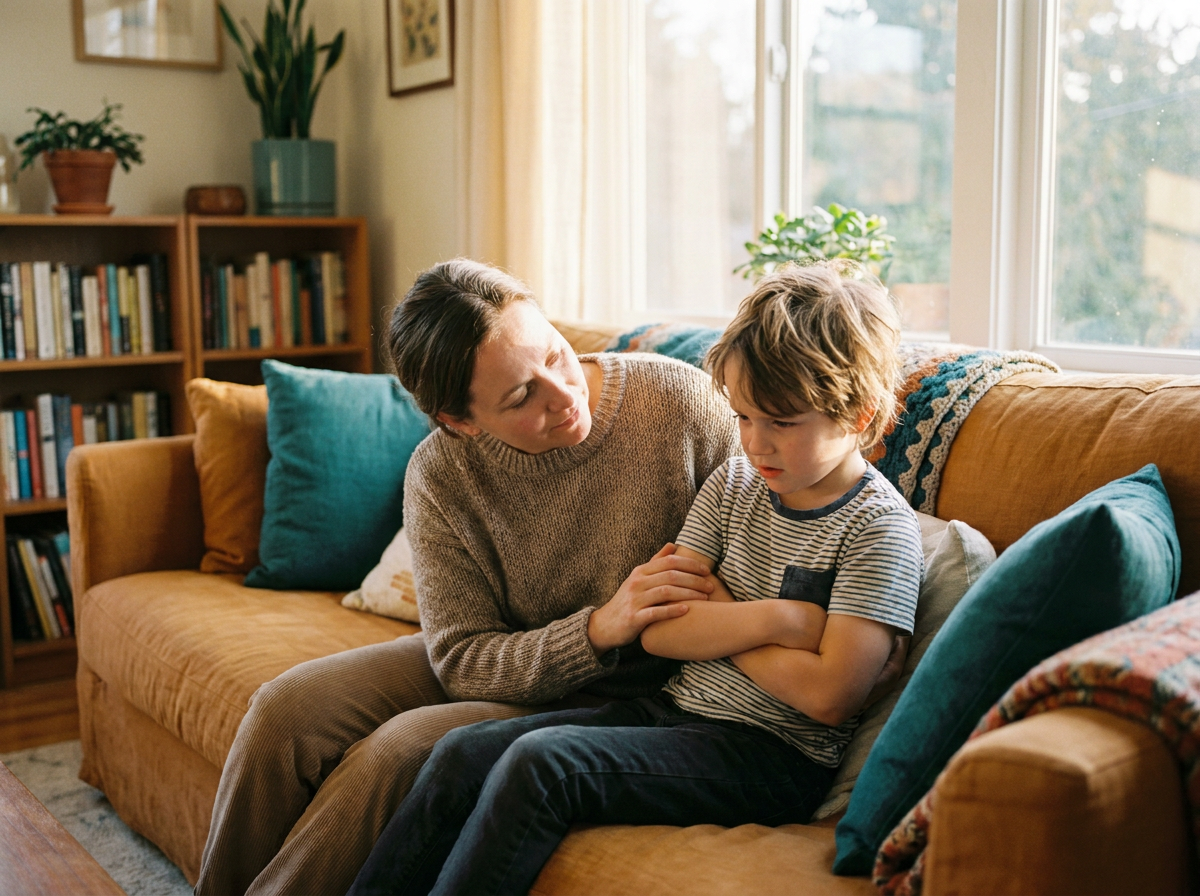
If you negotiate during a meltdown, your child learns: big feelings change the boundary. Instead: validate + repeat the rule + offer a choice.
Mistake #2: Making the rule too complicated
If you need a chart with 12 exceptions, it won't survive real life. Aim for 2 to 4 core rules you can repeat in your sleep.
Mistake #3: Using screens as the only calm-down tool
If screens are the only way your child regulates, taking them away will always feel like taking away oxygen. Build a small calm-down toolkit that isn't digital.
A Simple Screen Time Rules Template
If you want something you can actually use today, start here. Put it on the fridge. Keep it boring. Boring is good.
- Screens happen at: __________ (weekday) and __________ (weekend)
- No screens during: meals, bedtime routine, first 20 minutes after school
- Warning system: 10 minutes + 2 minutes
- Device home: __________ (charging spot)
- Turn-off rule: calm turn-off = screens again; blow-up = break tomorrow
What to Do When Your Child Says "You're Mean!"
This is the moment most parents cave. Try this instead:
"I hear you. You're mad. The rule is still the rule."
"I'm not here to make you happy about it. I'm here to keep you safe and help your brain."
"Do you want a hug or space while you're mad?"
You're not trying to win. You're trying to lead.
Want This to Feel Easier in Real Life?
Quick scripts for tough transitions, connection questions that get kids talking, and screen-free activity ideas. All in one app.
Try Digital Age Parenting FreeKeep Reading

Enjoyed this article?
Get practical, research-backed parenting tips delivered to your inbox. No spam, just articles worth reading.
We respect your privacy. Unsubscribe anytime.