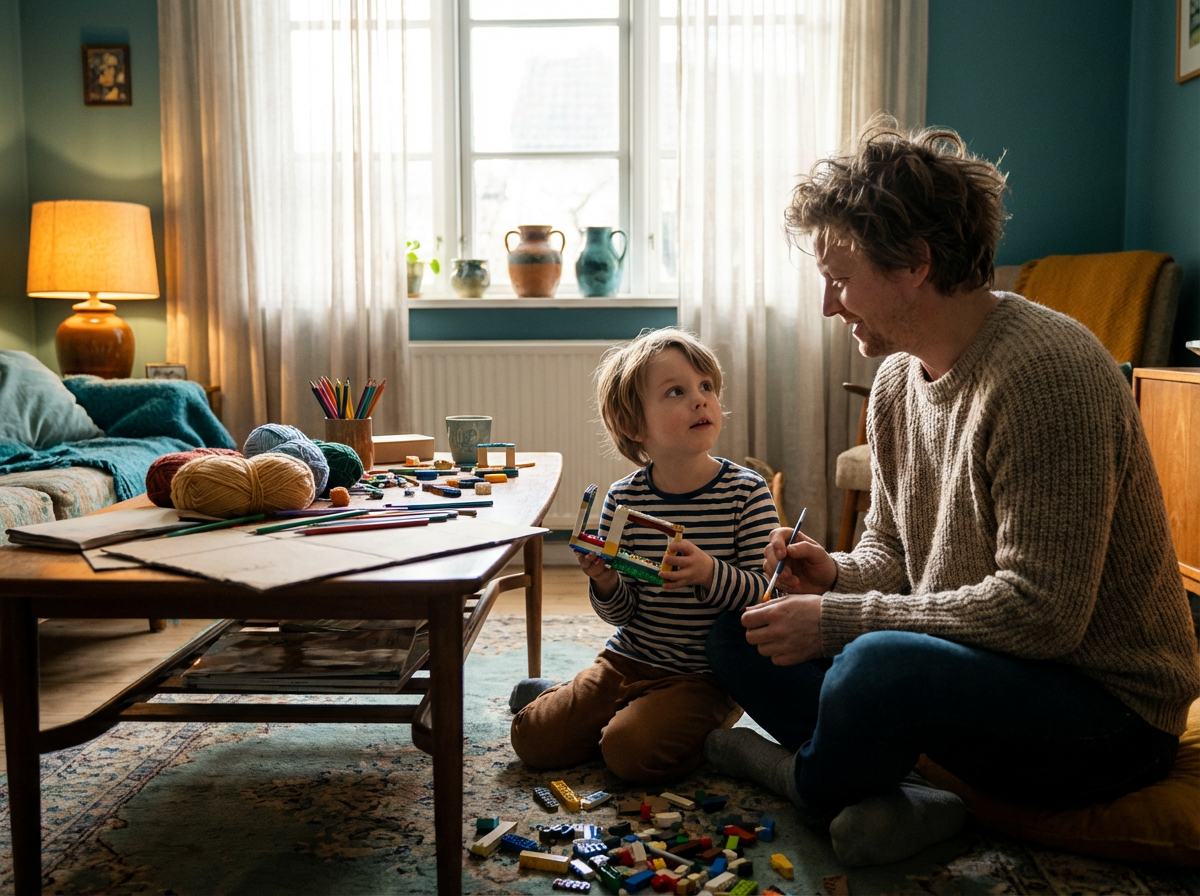
"I'm bored" isn't the problem. It's the doorway back to creativity, play, and connection.
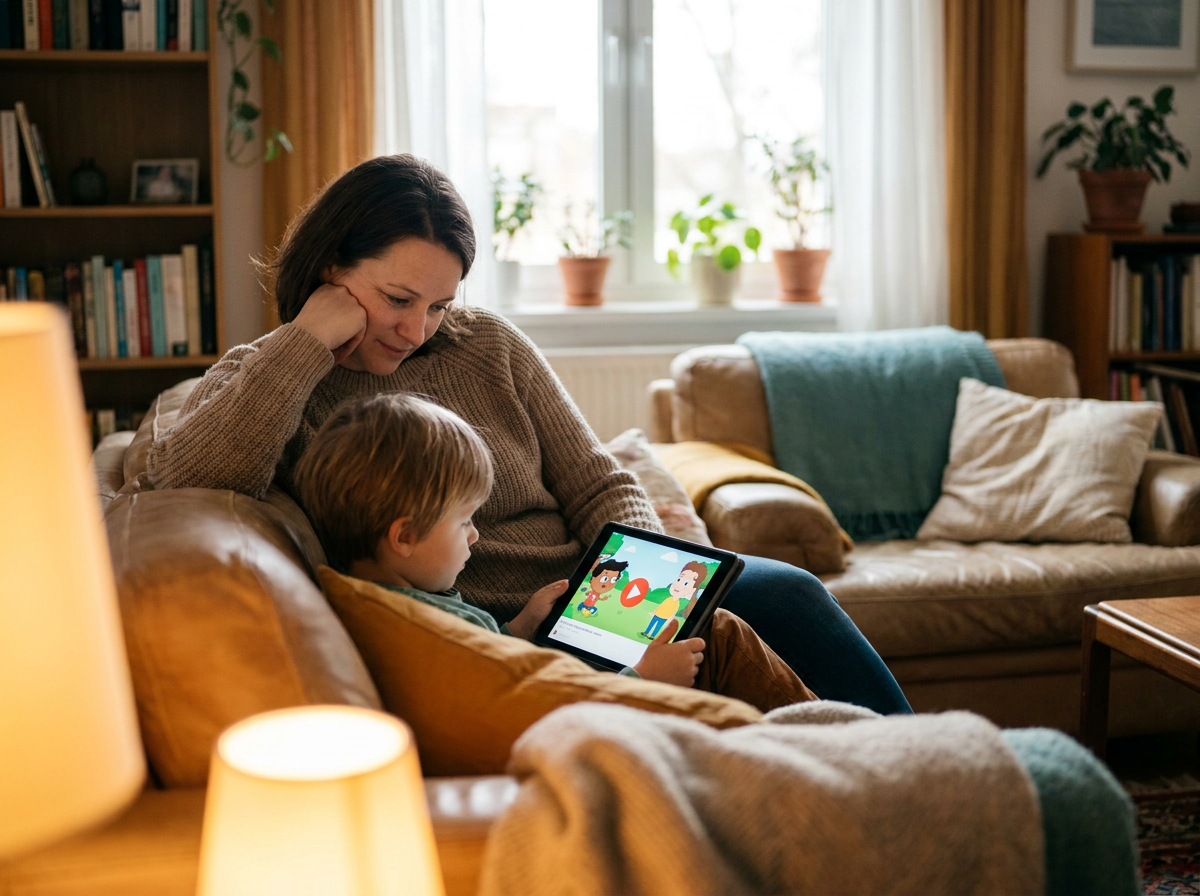
If you've ever turned off a tablet and immediately heard "I'm boooored" you're not alone. Most parents hear "bored" and think they need to fix it fast before whining turns into chaos.
But here's the truth: boredom is often the first step back to creativity, play, and connection. Screens just make that step feel uncomfortable.
Want a ready-to-use boredom menu and scripts? Try Digital Age Parenting free
Why Kids Feel Extra Bored Without Screens
Screens deliver instant stimulation: fast visuals, constant novelty, quick rewards. When screens turn off, your child's brain has to do something harder: initiate an activity, tolerate a little discomfort, and build momentum. That's a skill. And skills feel hard before they feel normal.
The "boredom spike" is normal. For many kids, the first 10 to 20 minutes after screens are the toughest. That doesn't mean your limit was wrong. It means their brain is recalibrating.
What to Say When Your Kid Says "I'm Bored"
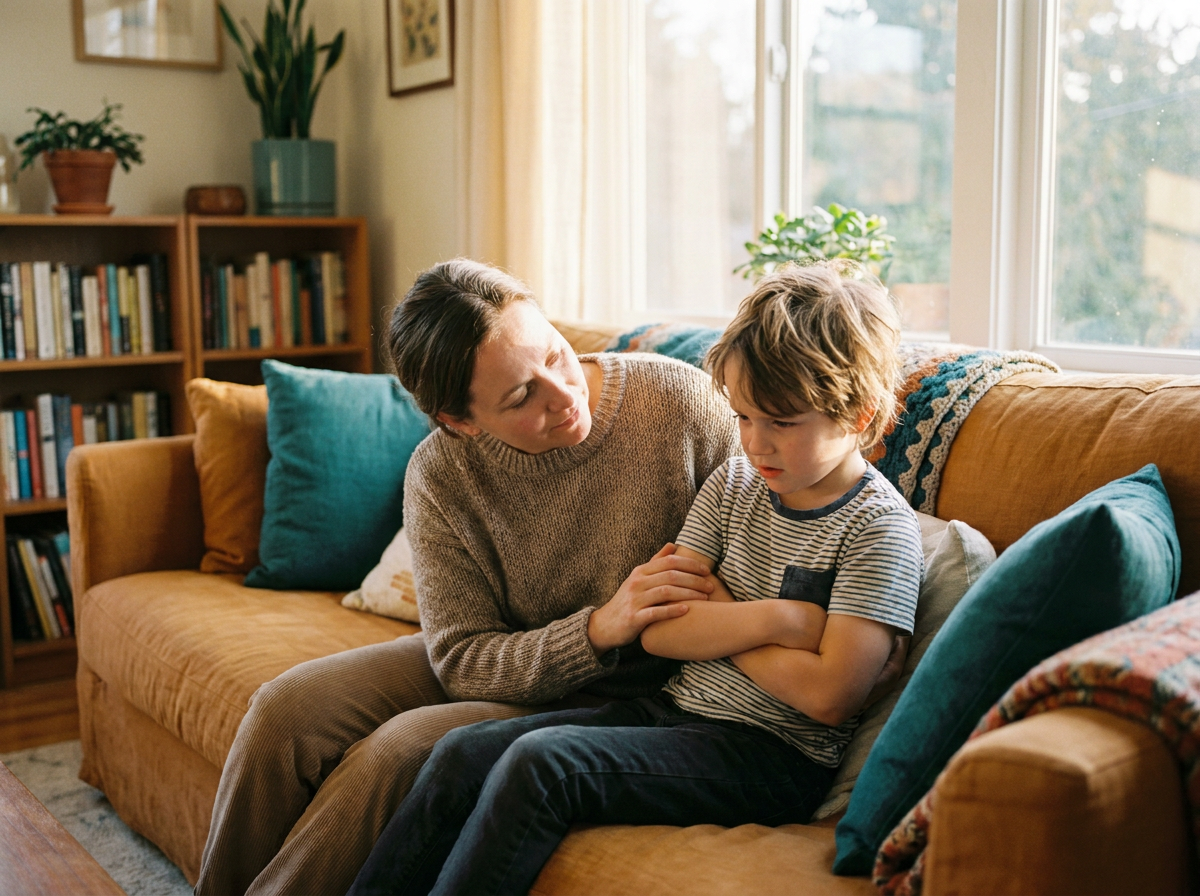
Your goal is to stay calm, validate the feeling, and move them toward a next step.
Script #1: Validate + redirect
"Yeah, it's hard when screens are off. Bored is okay. Let's pick your next thing."
Script #2: Offer two choices
"Do you want to build something or do an outside mission?"
Script #3: Kind boundary
"I love you. I'm not going to solve bored for you — but I'll help you get started."
Script #4: 10-minute bridge
"Let's do a 10-minute starter together, then you can keep going on your own."
The Boredom Plan: Stop the Daily Screen Negotiation
If you want "I'm bored" to stop being a fight, you need a predictable routine:
1. End screens with a warning
10 minutes + 2 minutes. Instead of 'Turn it off,' try: 'When this ends, we're doing snack + a boredom pick.'
2. Do a quick reset
A lot of 'bored' is actually dysregulation. Try: snack + water, 2 minutes of jumping jacks, outside for fresh air, or a quick bath.
3. Pick from the Boredom Menu
A menu works because it replaces the screen with certainty. Keep it short and visible. Put it on the fridge.
The Boredom Menu: Screen-Free Activities That Actually Get Used
Quick Wins (5 to 15 minutes)
Outside mission
Find 5 smooth rocks, 10 red things, or 3 bugs — then report back.
Sticker challenge
Decorate one page, then tell a story about it.
Puzzle sprint
Do the edge pieces together — race the clock.
Mini clean-up race
Set a timer and beat the clock.
Dance party
One song, full volume, zero rules.
Creative Play (20 to 45 minutes)
LEGO or magnet tiles
Build a screen-free invention.
Cardboard build
Make a fort, a store, or a robot helmet.
Art bin
Markers, tape, scissors, and paper scraps.
Playdough bakery
Make a menu, take orders, deliver.
Design a park
Draw it on paper, then build it with blocks.
Connection-First Ideas
Snack + one connection question
Low effort, high impact.
Would you rather round
5 silly questions to get laughing.
Read aloud for 10 minutes
Even for older kids.
Help you cook one small thing
Stir, pour, taste-test.
Don't replace screens with nothing. Replace them with a starter.
Age-Banded Ideas
Ages 2 to 4
Water play at the sink
Bubbles + chase
Animal walk obstacle course
Toy bath (wash plastic toys)
Ages 5 to 8
Scavenger hunt (inside or outside)
Build a fort + flashlight reading
Board game rotation
Craft kit open-and-go bin
Ages 9 to 12
Project time (model kit, bracelet making)
Cook one snack independently
Neighborhood walk with a photo list
Card games, strategy games, puzzles
What If My Kid Refuses Everything?
This happens. Here's your calm, consistent response:
"Bored is okay." Don't panic.
"Screens aren't an option right now." Clear boundary.
"Here are your two choices." Simple.
"You don't have to pick yet." You can be bored in the living room. When you're ready, I'll help you start.
The key is: don't turn boredom into a negotiation.
Want This to Be Easier in the Moment?
Screen-free activity ideas, connection questions, and quick scripts for transitions and pushback. All in one app.
Try Digital Age Parenting FreeKeep Reading

Enjoyed this article?
Get practical, research-backed parenting tips delivered to your inbox. No spam, just articles worth reading.
We respect your privacy. Unsubscribe anytime.